 EN
EN
 AR
AR
 BG
BG
 HR
HR
 CS
CS
 DA
DA
 NL
NL
 FI
FI
 FR
FR
 DE
DE
 EL
EL
 HI
HI
 IT
IT
 JA
JA
 KO
KO
 NO
NO
 PL
PL
 PT
PT
 RU
RU
 ES
ES
 TL
TL
 ID
ID
 SR
SR
 SL
SL
 VI
VI
 ET
ET
 HU
HU
 FA
FA
 SW
SW
 BE
BE
 KA
KA
 BN
BN
 NE
NE

Season Change | 4 Simple Maintenance Steps to Keep Your Unit from Freezing Up
As autumn arrives, northern regions experience continuous rainy weather and sudden temperature drops. Diesel generator sets (gensets) may encounter issues such as fuel waxing, abnormal engine oil viscosity, and battery discharge. To ensure stable operation of diesel gensets during autumn and winter and prevent cold weather-induced failures from disrupting production, timely maintenance is essential.
Below are four simple yet crucial maintenance steps—easy to follow and simple to implement.
Fuel System: Anti-Gelling is the Key
Low temperatures increase diesel viscosity, reduce fluidity, and may even cause waxing to clog fuel lines.
Fuel Selection & Replacement: Use diesel with a pour point 7-10℃ lower than the local minimum temperature.
Filter Maintenance: Remove the fuel filter, drain impurities and water, and replace the filter element (recommended) to prevent startup failure from poor fuel supply.
Fuel Tank Care: Drain accumulated water at the tank bottom (moisture condenses easily in winter) and keep fuel level ≥ 2/3 to minimize internal air condensation.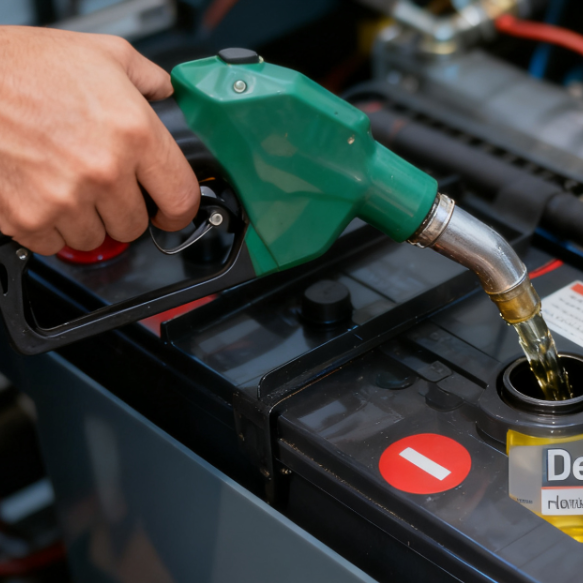
Lubrication System: Choosing the Right Engine Oil is Fundamental
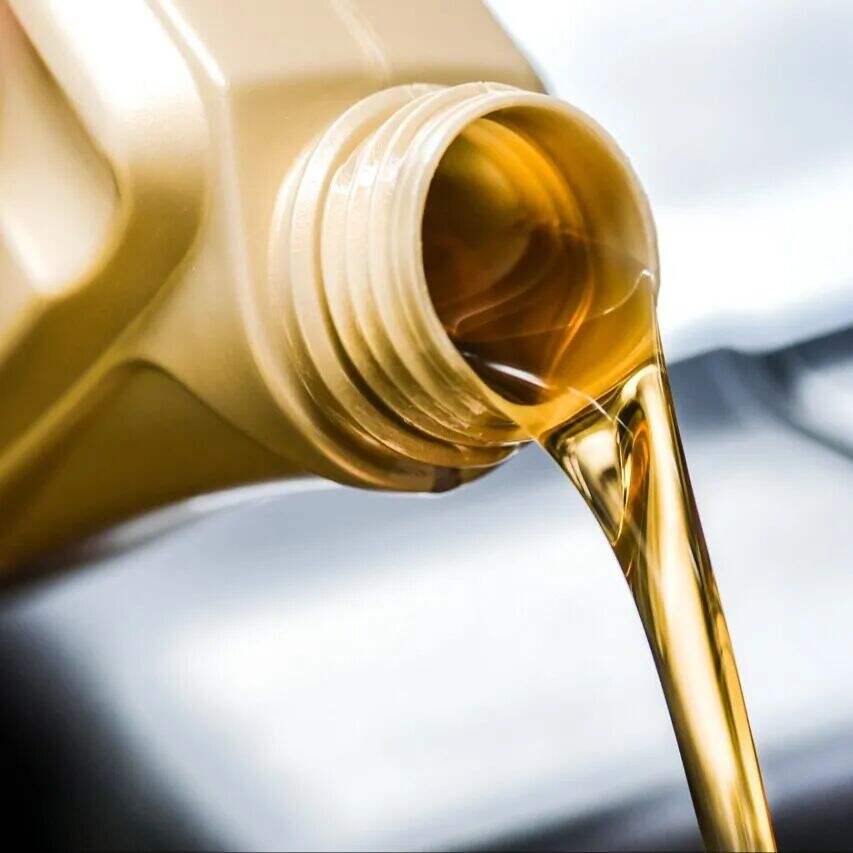
Engine oil used in summer will significantly increase in viscosity at low temperatures, leading to poor lubrication and increased wear.
Engine Oil Replacement: Select multi-grade oil with better low-temperature fluidity, such as 5W-30 (flows normally at -30℃). For older units, appropriately increase the high-temperature viscosity grade.
Oil Level Control: Drain old oil completely before refilling with new oil. The oil level must be between the "MAX" and "MIN" marks on the dipstick—excess oil will increase unit load, while insufficient oil will result in lubrication failure.
Filter Element Replacement: Replace the oil filter element simultaneously with oil change to prevent contamination of new oil by impurities in the old filter.
Cooling System: Dual Protection Against Freezing and Leakage
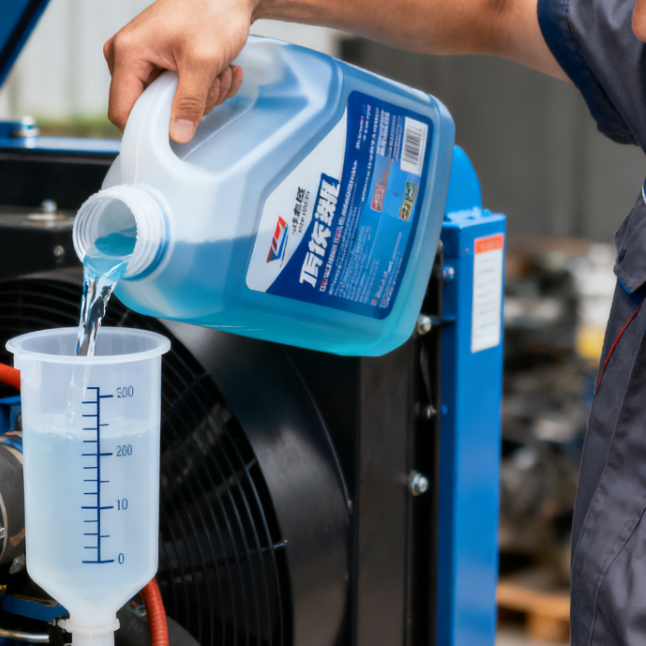
Units cooled by tap water are prone to radiator cracking due to freezing in winter—complete antifreeze upgrade is mandatory.
Antifreeze Replacement: Drain old coolant thoroughly. Select products with a freezing point 5-10℃ lower than the local minimum temperature; never mix different colors (indicating different compositions). Fill completely in one go to avoid trapped air.
System Inspection: Focus on checking for leaks at water pipe connections and radiator welds. Replace aging seals if necessary. Bleed air after refilling to prevent air lock.
Safety Warning: Do not open the radiator cap when the unit is hot. Wait until the water temperature drops below 60℃ to operate, avoiding scalds.
Battery System: Power Storage Capacity is the Core
For every 10℃ drop in temperature, battery capacity decreases by approximately 10%. Battery discharge is the primary cause of startup failure in winter.
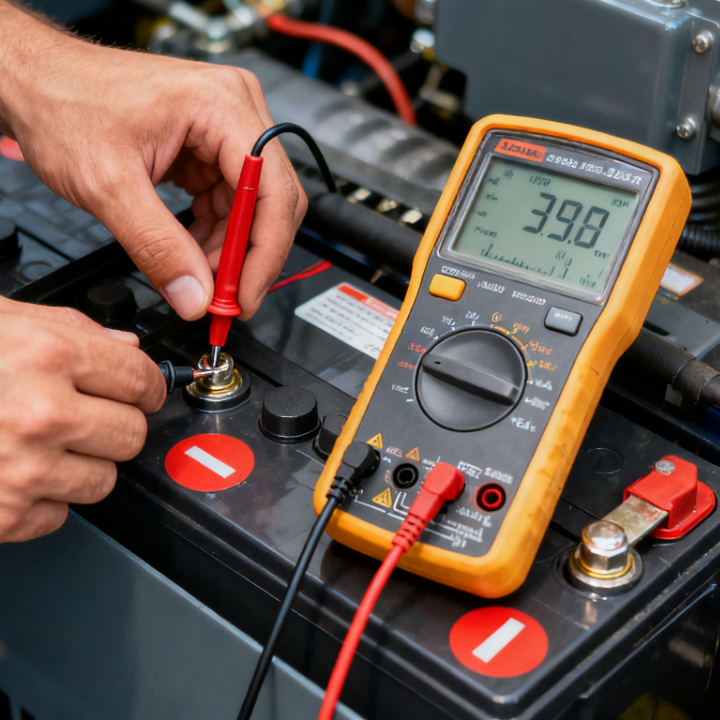
Appearance Maintenance: Polish oxidized terminals with sandpaper, apply petroleum jelly to prevent corrosion, and clean dust from the battery surface.
Power Check: Recharge promptly when battery power drops to 20%~30% remaining. Avoid deep discharge to ensure sufficient power for successful one-time startup.
Performance Testing: Use professional equipment to measure internal resistance and ensure the cold cranking current meets standards.